Kensington Palace rubbish disposal for events and venues
Posted on 07/05/2026
Kensington Palace rubbish disposal for events and venues: a practical guide for smooth, discreet waste management
Planning an event in Kensington can feel elegant on the surface and a little chaotic behind the scenes. One minute you are thinking about guest lists, florals, catering and timing; the next, you are staring at boxes, packaging, food waste, glass, broken-down displays and a bin store that is already overflowing. That is where Kensington Palace rubbish disposal for events and venues becomes more than a housekeeping task. It becomes part of the event itself.
Whether you are managing a private reception, brand launch, conference, exhibition, charity evening or hospitality function near Kensington Palace, waste needs to move quietly, safely and on time. Done well, no one notices. Done badly, it is the sort of thing people absolutely do notice. This guide explains how event waste disposal works in practice, what venues should plan for, and how to keep everything tidy without creating extra stress for your team.
For readers looking to understand the wider local context, you may also find our guide to celebration venues in Kensington useful, along with our wider services overview if you need a broader view of clearance and collection options.
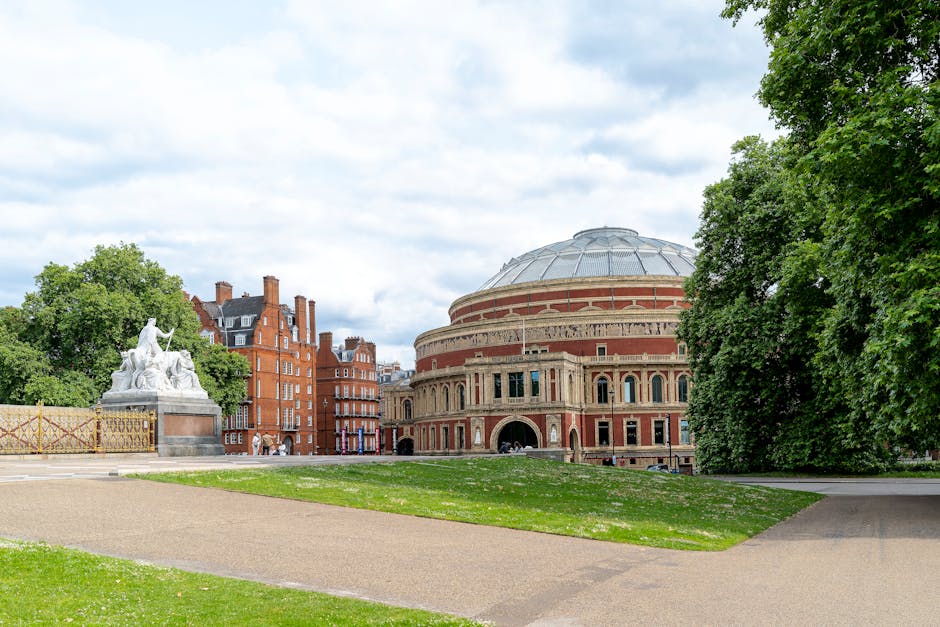
Why Kensington Palace rubbish disposal for events and venues Matters
Event waste is not just about getting rid of rubbish. In a high-profile area like Kensington, it affects presentation, safety, access, neighbour relations and the pace of your whole operation. A venue that looks immaculate in the morning can end the night with stacks of cardboard, half-empty bottles, catering waste and bulky items left in the wrong place. That is a quick way to create friction for staff, suppliers and guests.
In practice, rubbish disposal matters because events create waste in bursts. You may need a collection before set-up, another during the event, and a final sweep afterwards. If the removal plan is not built around the event timetable, waste piles up in corridors, service yards or loading areas. That can become a trip hazard, a fire risk, or simply an eyesore. Not ideal when you are trying to run a polished event.
There is also the local reality of central and west London logistics. Access can be tight, timings matter, and shared spaces often need to be kept clear. A good disposal plan helps everyone involved, from venue managers and caterers to security staff and cleaning teams. Truth be told, it is one of those unglamorous jobs that quietly makes the whole event feel more professional.
If your venue also handles office functions or business hospitality, our office clearance Kensington page may be helpful for understanding how larger commercial clear-outs and collections are handled.
Expert takeaway: the best event waste plans are the ones guests never think about. Everything feels calm, clean and orderly because the disposal process was planned around the event, not added after it.
How Kensington Palace rubbish disposal for events and venues Works
At a practical level, the process is straightforward. Waste is separated, contained, moved to a temporary holding area if needed, and then collected or removed at an agreed time. The details matter though. Very much so.
Most event and venue rubbish disposal plans start with a waste profile. That means identifying what will actually be thrown away: food waste, packaging, glass, mixed recyclables, disposable tableware, decor offcuts, damaged props, brochure stock, pallets, and the odd bulky item. Each type may need different handling. A catering-heavy reception will look very different from a conference with large volumes of paper and packaging.
Then comes logistics. Where will bins be placed? Who empties them? Is there enough space for sacks and bins to be kept out of sight? Can a vehicle reach the loading point without disrupting guests or neighbours? These are the questions that save time later.
For many venues, especially around Kensington Palace and the surrounding streets, the collection window is just as important as the collection itself. Early morning, late evening and between-event timings are often the easiest to manage. If you are unsure about local collection patterns and access realities, our Kensington High Street rubbish collection guide for SW7 offers a useful local perspective.
There is also an important distinction between waste removal and routine rubbish collection. Collection is usually a recurring service with set volumes and timings. Event disposal is more flexible and often more reactive. It may involve one-off clearances, same-day pickups, post-event sweeps, or a combination of all three. That flexibility is often what venues need most.
Typical waste streams at events and venues
- Food waste from catering and back-of-house preparation
- Glass bottles and drink-related packaging
- Cardboard, shrink wrap and general packaging
- Printed materials, signage and promotional stock
- Decorations, floral waste and installation offcuts
- General mixed rubbish from guest areas
- Bulky items from staging or temporary set builds
Some venues also need clearance after fit-outs, installations or event build work. In those cases, our builders waste disposal in Kensington page is useful because event build waste often behaves a lot like light construction waste: bulky, awkward and time-sensitive.
Key Benefits and Practical Advantages
A well-run waste plan does more than make the place look neat. It protects the event experience, staff workflow and venue reputation. Here are the main advantages, in plain English.
| Benefit | Why it matters in real life | What poor planning can lead to |
|---|---|---|
| Cleaner presentation | Guests see a polished, well-run venue | Overflowing bins, odours, visible mess |
| Better safety | Clear walkways and service areas reduce hazards | Trips, blocked exits, cluttered storage |
| Smoother operations | Staff can work without waste getting in the way | Repeated interruptions and manual re-handling |
| Improved sustainability | Better sorting supports recycling and lower landfill use | More mixed waste and avoidable disposal costs |
| Less reputational risk | Clean venues reflect well on hosts and organisers | Complaints from guests, neighbours or venue partners |
There is a quieter benefit too: peace of mind. Anyone who has managed a venue event knows the feeling of late-night tiredness when the last guest leaves and the room is finally empty. If the waste plan is sorted, the end-of-night job is manageable. If not, it can drag on for hours. Nobody needs that.
Where sustainability is a priority, it is worth looking at how waste is sorted from the outset. Our recycling and sustainability page explains the kind of thinking that helps reduce unnecessary disposal and supports better material recovery.
Who This Is For and When It Makes Sense
This kind of service is relevant to far more people than just large venues. In fact, the need often appears in smaller, less obvious settings.
- Event organisers planning receptions, launches, dinners or networking evenings
- Venue managers who need a dependable disposal partner for regular bookings
- Caterers and production teams responsible for packaging, prep waste and equipment wrapping
- Exhibition and brand activation teams dealing with temporary structures and signage
- Charities and community groups hosting fundraising events on a limited budget
- Private hosts using halls, hotel spaces or hired rooms near Kensington Palace
It makes sense whenever the waste volume is more than a normal bin day can comfortably handle. It also makes sense when the waste is awkward, sensitive, or time-critical. Think of a post-event room full of broken-down display stands, bottle crates and bagged rubbish after guests have gone home. You do not want that hanging around until morning if you can avoid it.
There are also situations where a broader clearance approach is better than a simple collection. For example, if a venue is being refreshed after the season, you may need a more complete service. Our waste removal in Kensington page covers the wider disposal side, while rubbish collection Kensington is a good starting point for smaller or more routine requirements.
Step-by-Step Guidance
If you want the process to feel controlled rather than messy, planning ahead is everything. Here is a simple framework that works well for most venues and event teams.
- Estimate the waste before the event starts. Look at the number of guests, catering style, display materials and likely packaging volume.
- Separate waste streams where possible. Keep food waste, glass, cardboard and mixed waste apart if the event setup allows it.
- Choose collection points carefully. Bins should be accessible to staff but hidden from guest sightlines where possible.
- Set timings around the event schedule. Build in pre-event, live-event and post-event clearances if needed.
- Brief everyone involved. Caterers, cleaners, security and venue staff should know what goes where.
- Prepare a final sweep. Check store rooms, service corridors, exterior points and loading areas before signing off the job.
A small but important point: label things clearly. A few handwritten signs or colour-coded sacks can save a surprising amount of confusion. Sounds basic, but it works. The best systems are often the least glamorous ones.
If you are comparing different local services, our pricing and quotes page is a useful next stop because event work is usually best priced according to waste type, volume, access and timing rather than a one-size-fits-all fee.
Expert Tips for Better Results
These are the small adjustments that make a very real difference.
- Keep waste away from guest routes. Even if a bag is sealed, it looks messy in the wrong place.
- Plan for the end of the night, not just the event start. That is when most waste suddenly appears.
- Use containers that match the waste. Heavy bottles and mixed bag waste need different handling from lightweight cardboard.
- Have a backup space. If the main bin area fills up, you need somewhere else to hold overflow safely.
- Ask about access before booking. Narrow streets, basement access and shared courtyards can change the whole disposal plan.
Another tip: talk to your waste provider about the event tone. A black-tie dinner, a corporate conference and a product launch all need a slightly different rhythm. Some events need near-silent collection. Others can tolerate a more direct, fast-moving clear-out. One size rarely fits all, and to be fair, it does not need to.
If safety planning is part of your decision, our insurance and safety information is worth reading before any collection or clearance is confirmed.

Common Mistakes to Avoid
Most event waste problems are avoidable. The trouble is, they usually come from small oversights rather than major disasters.
- Leaving waste planning until the final week. By then, the easiest collection windows may already be gone.
- Assuming the venue's bins will be enough. They often are not, especially for catered events.
- Mixing recyclables with general rubbish. This can make disposal slower and less efficient.
- Forgetting bulky items. Pop-up displays, packaging crates and broken fittings often get overlooked.
- Blocking access routes. A neat pile in the wrong spot is still a problem.
- Not assigning responsibility. Someone should always be clearly in charge of waste decisions.
One of the most common issues is this: everyone thinks someone else is handling it. Then the event ends, the lights go down, and the rubbish is still there. A very unromantic ending, frankly.
For wider venue or property-related clearances in the area, you may also want to see our house clearance Kensington page, especially where event spaces double as private residences, staff accommodation or mixed-use properties.
Tools, Resources and Recommendations
You do not need fancy equipment, but you do need the right basics.
- Clearly labelled bins or sacks for the main waste streams
- Heavy-duty gloves and handling equipment for staff moving sharp or bulky items
- Bin liners and tie-offs sized for the waste being produced
- Reusable trolleys or dollies for moving sacks through service areas
- Stock sheets or waste logs for venues with repeated events
- Access notes for loading points, entry codes and timing restrictions
For ongoing venue operations, it helps to keep a short waste plan on file. Nothing dramatic. Just a one-page reference with collection contacts, access notes, recycling instructions and the usual peak periods. That way, when the next event rolls around, nobody starts from zero.
If you are working across multiple venues or changing room layouts often, our services overview can help you understand how different disposal and clearance services fit together.
Law, Compliance, Standards, or Best Practice
Event and venue waste in the UK should be handled with care and in line with applicable waste duty and duty-of-care expectations. Without getting overly technical, the basic principle is simple: waste must be stored, handled and transferred responsibly, and it should go to an appropriate destination. That means you should be careful about who removes it, how it is sorted, and whether the process is documented properly.
For venues and organisers, best practice usually includes:
- using a reputable provider with appropriate insurance
- keeping access areas clear and safe
- separating waste where practical
- avoiding overflow or uncontrolled storage
- checking collection arrangements in advance
Some venues, especially those in more sensitive or high-footfall areas, may also need to think about noise, timing and neighbour impact. Early-morning or late-night removals can be practical, but they should still be planned respectfully. Nobody wants clattering bins outside at 6 a.m. if it can be avoided.
For readers who want to understand the standards behind our approach, the company's modern slavery statement, terms and conditions and privacy policy are available for review. These pages are not just formalities; they help show how the service is organised and what customers can expect.
Options, Methods, or Comparison Table
There is more than one way to manage event rubbish. The right choice depends on the size of the venue, the timing of the event and the type of waste involved.
| Method | Best for | Pros | Limitations |
|---|---|---|---|
| Routine bin collection | Smaller venues and predictable waste | Simple, regular, easy to maintain | May not cope with event spikes |
| One-off rubbish collection | Post-event clear-downs | Flexible and fast | Can be less efficient for ongoing events |
| Full venue waste removal | Larger events or mixed waste streams | More comprehensive and tidy | Needs better planning and access |
| Clearance with sorting support | Events with recyclables, packaging and bulky items | Helps reduce mixed waste | Requires clearer site organisation |
In reality, many venues use a mix of methods. For instance, a conference venue might rely on regular collections during the week but add a same-day clearance after a large evening event. That combination is often the most practical, especially where storage space is limited.
If you are managing outdoor displays, entrance planting or temporary event landscaping, our garden waste removal Kensington page may also be relevant. It is a slightly different niche, but event grounds and floral installations often generate green waste that needs separate handling.
Case Study or Real-World Example
Here is a realistic example. A Kensington venue hosts a private evening reception with catering, floristry, branded materials and a small stage build. The event is elegant, the lighting is low, and guests leave by 11 p.m. By then, there are cardboard boxes from delivery crates, used napkins, food waste, glass bottles, promotional brochures and some broken-down display pieces.
The venue team has already agreed a plan. Cardboard is flattened early in the evening. Food waste is bagged separately. Glass is collected in sturdy containers. The stage pieces are moved into a service area out of view. A collection window is booked for the following morning before the next event arrives. Nothing dramatic, nothing flashy. Just order.
The result is simple: the room can be reset quickly, cleaners are not working around piles of mixed rubbish, and the venue opens the next day looking fresh. That last part matters more than most people realise. The first thing a returning client sees is often the most memorable thing. Sometimes it is the smell too, if waste has been left too long. Not a great memory, let's be honest.
This is where local knowledge helps. Kensington streets, access points and venue layouts can be awkward at the best of times, especially around busy periods. A removal plan that respects timing and access is far more effective than a generic collection booked at the last minute.
Practical Checklist
Use this checklist before your next event or venue booking.
- Waste streams identified in advance
- Collection timings matched to the event schedule
- Access routes checked and kept clear
- Bins, sacks and containers ready on site
- Staff briefed on sorting and reporting
- Bulky items and packaging included in the plan
- Recycling options reviewed where practical
- Safety risks reduced in storage and walkways
- Final sweep assigned to a named person
- Backup contact available if timings change
It is a simple list, but it prevents the last-minute scramble that so often causes the trouble in the first place.
Conclusion
Good event waste management is invisible when it works and very visible when it does not. For Kensington Palace area venues, the difference usually comes down to planning, timing and having the right disposal partner lined up before the event begins. Whether you are dealing with a private function, a brand activation or a high-footfall hospitality space, the aim is the same: keep the venue clean, safe and ready for whatever comes next.
When you treat rubbish disposal as part of event operations rather than an afterthought, everything tends to run more smoothly. Guests see a better venue, staff feel less rushed, and the clean-up is far less painful. Small things, but they add up fast.
Get a free quote today and see how much you can save.
If you would like to explore the team behind the service, our about us page gives a helpful sense of how we work and what we value. For payment confidence, you can also review payment and security before booking. A bit of reassurance never hurts.
And if you are still in the planning phase, that is absolutely fine. Better to sort the waste plan early than be chasing bins at the end of the night. A calm finish is a good finish.


Copyright © . House Clearance Kensington. All Rights Reserved.